Whether it’s a stimulus job or a private project, here are tips for getting work and making money on it.
Passage of the economic stimulus package (The American Recovery and Reinvestment Act) brought with it millions of dollars in governmental construction work that has either already begun, is in the bid process or will be put up for bid in the near future. A look at those projects that have already been bid and awarded indicates very competitive bids, many comin in well below engineers’ estimates.
“The fact that these projects have come in well under what we thought they would, will allow us to award more projects, which means more jobs,” said U.S. Transportation Secretary Ray LaHood in a recent conference call. If you’re a government contractor, that’s potentially good news as it means more chances to garner work.
There are indications that work in other sectors may be turning around as well. So how do you get in on the action while it’s heating up? Whether you’re a seasoned veteran of the construction industry, or trying to establish yourself, one of the keys is putting together a winning bid or proposal that’s the right price to get the job and make you money at the same time.
It’s not an exact science, but there are certain steps to take to putting together a winning bid without leaving “money on the table.” Chief among them is doing you due diligence to thoroughly understand the project before you even begin the bidding process. If it’s not something you’re interested in or have the skill for, why waste time on it? That time, which some experts say averages three to four weeks per big, could be better spent estimating and putting together a bid for a project more suited to your firm’s capabilities.
You probably find out about many projects by being invited to bid on them. Others you may discover in trade magazines, newspaper and other resources. You can request plans and give them a thorough look. you should have a good idea of whether it’s a job for you or not. If not, return the plans, especially if you put a deposit on them, and turn your attention elsewhere.
Get all the information you can
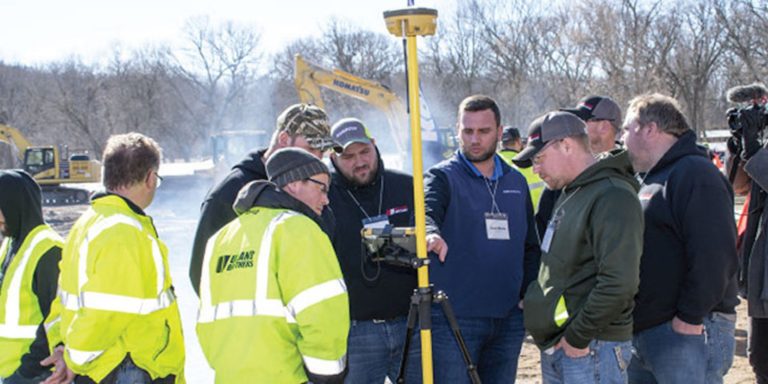
Most likely there will be a prebid meeting. If you believe you’re going to bid, it’s something you should attend. This will give you access to project owners, engineers, architects and other key players who can answer questions and explain any unusual circumstances that have to be taken into account when preparing your price.
Visit the proposed jobsite. While good information can be gleaned from a prebid and blueprints, they don’t tell the whole story. The proposed site may include items that are not on the plans, such as refuse or other objects that may need to be removed to do the job. How far is it to the nearest quarry or material yard? How will you get materials to the site? These items can add to your costs of doing the job and should be factored into your final proposal.
At this point, if you’re still planning to bid, it’s time to start putting the package together. There are several factors to consider, including costs to mobilize and demobilize equipment, what machinery you’ll need and the cost to run it, and how much manpower will be required. If you’re bidding on a stimulus project, chances are, labor costs are covered under Davis-Bacon, also known as prevailing wage. This can add significant dollars to your cost per hour for employees.
Use your experience, double check
Another step in the process is to do the takeoff of the part(s) of the plan on which you expect to bid. This can be done in several ways, including the tried and true method of using a ruler and calculator. Most companies today have computer programs that will do highly accurate digital takeoffs. Programs can initially be expensive, but can save time and money in the long run. It’s always a good idea to double check the work thoroughly for costly mistakes, and as you become more proficient in using the programs you’ll be more comfortable with their accuracy, allowing for the small percentage the program may be off.
Many government plans already have estimated material lengths and quantities. Some may come on CD-ROM or other media formats you can plug into your computer. While they’re helpful, it’s always best to do takeoffs yourself, so that you identify an potential inaccuracies.
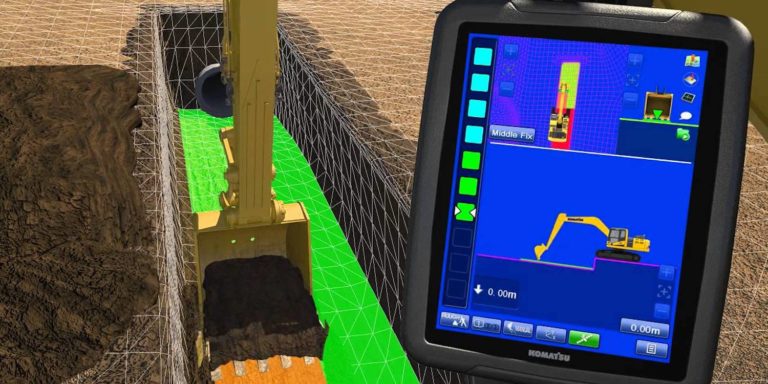
You’ll also need to consider other technology and how it factors into the bid. If you use GPS-based systems in your equipment, it’s easy to plug the plans into whatever systems you use and let the technology do the work. GPS systems have been proven to save time and materials as they accurately put the site to grade or find the right elevation for a utility trench. The savings can be factored into your bid, helping you lower your price.
Experts point out other items often overlooked in putting together a bid. For example, many don’t consider overhead, or the cost of doing business. things such as office help and supplies, postage, utilities, upkeep of a building or office should be factored into your proposal in some way. Some calculate overhead as percentage of wages, while others simply throw a number at it. Those items affect the bottom line, because they subtract from profit.
Finally, consider profit in your bid. After all, that’s what you’re in business for. There’s no hard and fast rule for adding profit into a job. Some will try to make a certain dollar amount per day, while others may add a percentage to their base bid. Either way, as the job progresses, it’s important to keep track of where you’re at in relation to profit to ensure you’re staying on target.
Once you’re comfortable with your bid, be sure to double check it before submitting it. Be detailed. While the suggestions here are sensible, they are not comprehensive. Every job is different. But the more factors you consider, the better you’ll be at putting together a winning bid.